









When considering the installation of solar panels on residential properties, several key requirements must be met to ensure efficiency, safety, and compliance with local regulations. The primary factor is the availability of adequate sunlight exposure. Solar panels perform best when installed in areas that receive direct sunlight for most of the day, ideally between 9 a.m. and 3 p.m., without significant shading from trees, buildings, or other obstructions. Roof orientation plays a crucial role; south-facing roofs typically provide optimal sun exposure in the northern hemisphere, while north-facing roofs are preferred in the southern hemisphere. The angle or pitch of the roof also impacts energy generation; an angle close to the latitude of the location generally maximizes solar absorption.
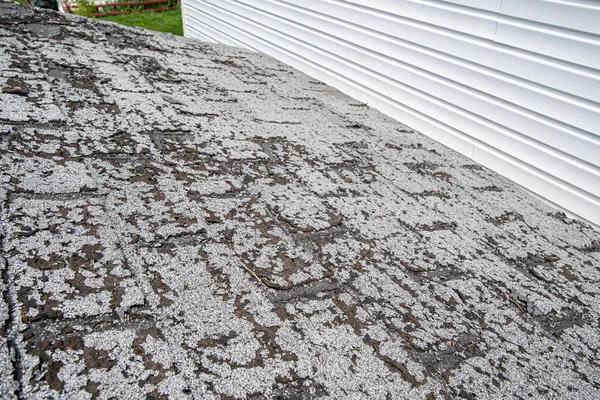
Structural integrity is another essential consideration click for details residential solar installations. Roofs must be capable of supporting additional weight from solar panels and mounting hardware without compromising safety or durability. A professional assessment by a structural engineer may be necessary to verify that roofing materials and framing meet these requirements. In some cases, reinforcements might be needed before proceeding with installation.
Electrical system compatibility is critical as well since solar panels generate direct current (DC) electricity that needs conversion to alternating current (AC) compatible with home appliances and utility grids. This process requires an inverter properly sized for the system’s capacity. Additionally, wiring must comply with electrical codes to prevent hazards such as short circuits or fires. Licensed electricians usually handle this aspect during installation.
Permits and approvals are mandatory steps before installing solar systems on residential properties. Homeowners need to apply for building permits through their local government authorities who verify compliance with zoning laws and construction standards. Some municipalities have specific guidelines regarding panel placement height or distance from property boundaries which must be observed.
Interconnection agreements with utility companies are often required if homeowners plan to connect their solar systems to the grid for net metering benefits-the ability to sell excess power back to utilities-thus reducing overall energy costs over time.
Finally, consideration should be given to warranty coverage offered by manufacturers and installers ensuring long-term reliability and maintenance support after installation completion.
Meeting these requirements helps maximize energy production while maintaining safety standards throughout a residential solar project’s lifecycle making renewable energy accessible and practical for homeowners seeking sustainable alternatives.