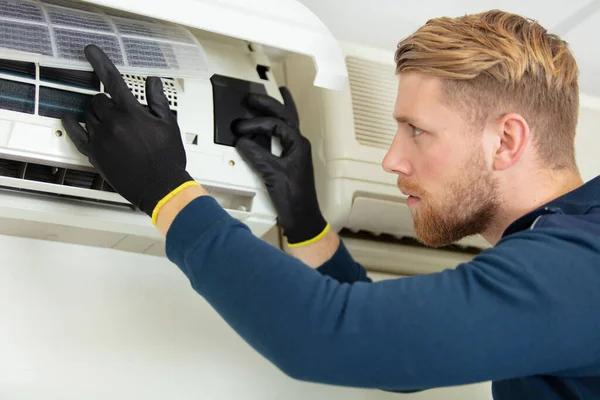









Proper maintenance of heating and air conditioning systems is crucial to ensure their efficiency, reliability, and longevity. Regular care not only reduces the risk of unexpected breakdowns but also helps maintain indoor comfort while minimizing energy consumption. One fundamental practice to extend the lifespan of these systems is consistent filter replacement. Air filters trap dust, dirt, and allergens that can accumulate over time, restricting airflow and forcing the system to work harder than necessary. Changing or cleaning filters every one to three months depending on usage prevents strain on components and improves air quality.
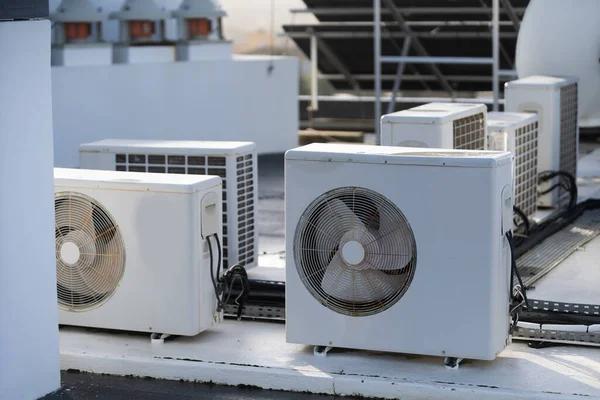
Another important aspect is scheduling routine professional inspections and tune-ups at least once a year. HVAC technicians can identify potential issues early by checking refrigerant levels, inspecting electrical connections, lubricating moving parts, and testing system controls. These preventive measures reduce wear and tear while optimizing performance. Additionally, keeping outdoor units free from debris such as leaves or grass clippings ensures proper airflow around condenser coils which are vital for heat exchange during cooling cycles.
Maintaining clear vents inside the home also contributes significantly to system efficiency. Furniture or curtains blocking registers limit airflow distribution causing uneven temperatures that prompt longer run times for heating or cooling equipment. Ensuring unobstructed vents allows conditioned air to circulate freely throughout living spaces without unnecessary effort from the system.
Thermostat settings play a subtle yet impactful role in extending equipment life as well. Avoid drastic temperature changes within short periods since frequent starts and stops increase mechanical stress on compressors and fans. Using programmable thermostats enables gradual adjustments aligned with daily routines which help maintain steady operation without excessive cycling.
Sealing leaks in ductwork prevents loss of heated or cooled air before it reaches intended rooms thereby reducing workload on the furnace or air conditioner. Over time ducts may develop gaps due to settling or damage; sealing these with mastic sealant or metal tape improves overall efficiency.
Lastly, addressing minor repairs promptly avoids escalation into costly failures requiring extensive replacements. Strange noises, reduced output, unusual odors, or higher utility bills often indicate underlying problems needing immediate attention.
By following these Essential Heating and Air care tips consistently homeowners can enjoy reliable climate control systems functioning optimally for many years while saving money through lower repair costs and energy bills alike. Proper upkeep transforms an HVAC investment into dependable comfort that stands the test of time without compromising performance standards expected in modern homes today.