








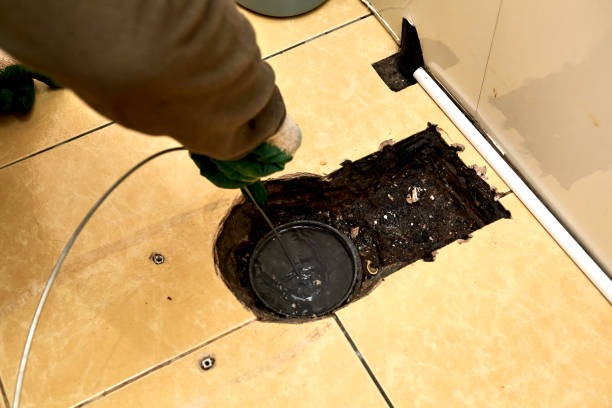
The persistent problem of clogged drains is a common household nuisance, often attributed to soap and hair buildup. Understanding the science behind how these materials interact to block your drain can help in preventing and addressing this issue effectively.
Soap, a staple in personal hygiene routines, is primarily composed of fats or oils combined with an alkali such as lye. When used with water, soap molecules surround dirt and oil particles on the skin or hair, allowing them to be rinsed away. However, not all soap washes down the drain completely. Traditional soaps contain fatty acids that can react with minerals found in hard water—such as calcium and magnesium—to form insoluble compounds known as soap scum. This residue adheres easily to surfaces within pipes, creating a sticky layer that traps other debris.
Hair is another major contributor to clogged drains. Each strand of hair may seem insignificant on its own but collectively forms a dense mass capable of obstructing water flow. Hair naturally sheds during bathing or showering; when it enters the plumbing system, it tends to tangle and bind together due to its fibrous nature and keratin protein structure. The presence of soap scum exacerbates this problem by providing a tacky surface where hair strands can accumulate uncover more readily.
The combination of hair tangles embedded within layers of sticky soap scum results in formidable blockages over time. Water pressure alone often cannot dislodge such obstructions because they are compacted tightly against pipe walls. Additionally, modern low-flow fixtures designed for water conservation may inadvertently contribute by reducing the force available to push materials through drainage systems efficiently.
Preventive measures are key in managing this issue before it escalates into full-blown clogs requiring professional intervention.