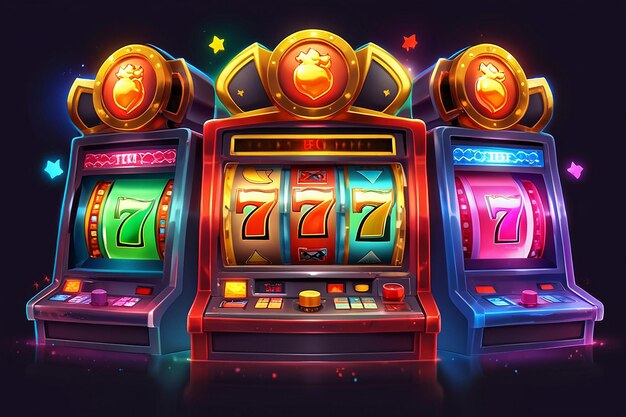









The landscape of online gaming is evolving at an unprecedented pace, driven by technological advancements and changing consumer preferences. As the digital world becomes increasingly interconnected, online gaming trends are shaping the future in ways that extend beyond mere entertainment. One of the most prominent trends is the rise of cloud gaming, which allows players to stream games directly from servers without needing high-end hardware. This technology democratizes access to premium games, making them available on various devices such as smartphones, tablets, and low-spec PCs. With major companies investing heavily in cloud infrastructure, this trend promises to redefine how gamers interact with content by offering seamless experiences with minimal latency.
Another significant development is the integration of virtual reality (VR) and augmented reality (AR) into online gaming environments. These immersive technologies create more engaging and interactive experiences by blending real-world elements with digital gameplay. VR headsets enable players to step inside fully realized game worlds, while AR overlays enhance physical surroundings with game-related information or characters. As these technologies become more affordable and accessible, they will likely transform traditional multiplayer games into richer social platforms where users can collaborate or compete in lifelike settings.
Social interaction remains a cornerstone of modern online gaming trends. The casino en ligne rise of metaverse concepts-virtual spaces where users can meet, play, trade items, attend events, and build communities-is reshaping how people connect through games. Platforms like Roblox and Fortnite exemplify this shift by combining gameplay with social networking features that encourage creativity and collaboration among diverse player bases worldwide. These ecosystems foster user-generated content that keeps communities active and engaged while providing new monetization opportunities for developers.
Esports continues to grow exponentially as a professional competitive arena attracting millions of viewers globally. The increasing popularity of esports has led to better-organized tournaments with substantial prize pools and sponsorship deals similar to traditional sports leagues. This legitimization attracts not only skilled players but also investors seeking opportunities within the expanding market.
Additionally, blockchain technology introduces innovative possibilities such as true ownership of in-game assets through non-fungible tokens (NFTs). Gamers can buy, sell or trade unique digital items securely across different platforms without intermediaries controlling their transactions.
In conclusion, online gaming trends are steering the industry toward greater accessibility, immersion, social connectivity, professionalism in competition, and economic innovation via decentralized technologies. These shifts collectively promise a dynamic future where gaming transcends conventional boundaries to become an integral part of everyday digital life for millions around the globe.