









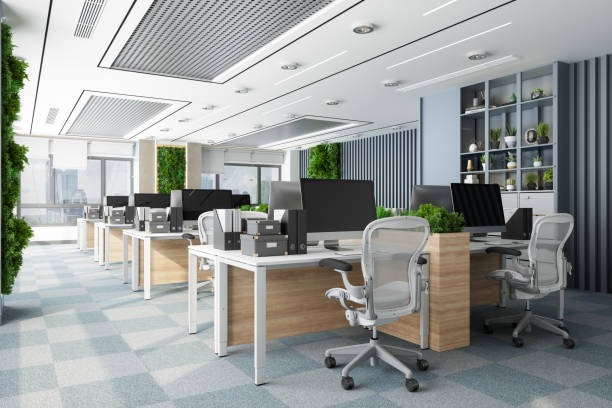
In today’s dynamic work environment, the design of office furniture plays a crucial role in enhancing productivity, comfort, and creativity. As businesses evolve to accommodate more flexible working arrangements and diverse employee needs, the demand for innovative office furniture designs has surged. These new designs not only focus on aesthetics but also prioritize functionality and adaptability, transforming workspaces into hubs of efficiency and inspiration.
One of the emerging trends in office furniture is modularity. Modular furniture systems offer unparalleled flexibility by allowing pieces to be easily reconfigured to suit different tasks or team dynamics. This adaptability is particularly beneficial in open-plan offices where explore the full story ability to create semi-private spaces can aid concentration and collaboration simultaneously. For example, modular desks can be rearranged for group projects or individual tasks, while modular seating options provide comfortable settings for informal meetings or quiet reflection.
Ergonomics continues to be a significant consideration in modern office furniture design. With an increasing awareness of health issues related to prolonged sitting, designers are creating chairs that support natural posture adjustments throughout the day. Height-adjustable desks have become popular as they encourage movement by allowing employees to alternate between sitting and standing positions. These ergonomic solutions help reduce physical strain and promote overall well-being among workers.
Sustainability is another key factor shaping new office furniture designs. Companies are increasingly seeking eco-friendly materials such as recycled metals, reclaimed wood, or biodegradable plastics for their furnishings. Additionally, many manufacturers now employ sustainable practices during production processes to minimize environmental impact. This shift towards sustainability not only appeals to environmentally conscious businesses but also contributes positively toward corporate social responsibility goals.
Technology integration is redefining how we interact with our workspace environments too. Smart desks equipped with built-in charging ports or wireless charging capabilities cater directly towards tech-savvy users who need seamless connectivity throughout their day-to-day operations without cluttering their workspace with cables.
Moreover, acoustic solutions integrated within furnishings address noise pollution problems commonly found within busy offices; sound-absorbing panels incorporated into dividers help maintain privacy while reducing distractions caused by ambient noise levels — thus fostering a conducive atmosphere for focused work sessions amidst bustling surroundings.
Aesthetics remain vital when designing contemporary office interiors; sleek lines combined alongside vibrant color palettes inject energy into otherwise mundane areas — stimulating creativity amongst employees whilst reflecting brand identity effectively through visual elements present around them daily basis!
Ultimately these innovative approaches collectively contribute significantly towards transforming traditional workplaces into agile environments capable supporting varied demands placed upon today’s workforce efficiently!