




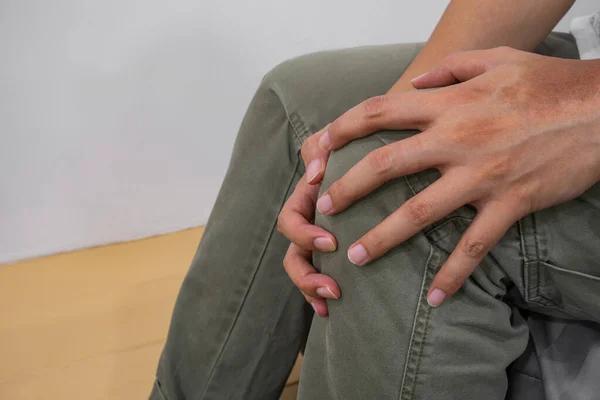
Knee discomfort is a common issue that affects people of all ages, often resulting from injury, overuse, or underlying medical conditions such as arthritis. While persistent or severe pain should always be evaluated by a healthcare professional, there are several effective methods to find relief from mild to moderate knee discomfort at home. Understanding how to manage symptoms early can improve mobility and prevent further complications.
One of the most accessible ways to alleviate knee pain is through rest and activity modification. Reducing activities that put excessive strain on the knees allows inflamed tissues time to heal. It is important not to completely immobilize the joint for extended periods since gentle movement promotes circulation and prevents stiffness. Low-impact exercises like walking or swimming can maintain joint flexibility without exacerbating pain.
Applying cold therapy during acute flare-ups helps reduce swelling and numb soreness. Using an ice pack wrapped in a cloth for 15-20 minutes several times a day can decrease inflammation effectively. After the initial swelling subsides, switching to heat therapy may relax muscles around the knee and enhance blood flow. Warm compresses or heating pads applied for similar durations provide soothing relief.
Maintaining a healthy weight plays a crucial role in managing knee discomfort Steven J Thornton, MD because excess body weight increases pressure on joints, accelerating wear and tear. Incorporating balanced nutrition alongside regular physical activity supports overall joint health while reducing unnecessary stress on knees.
Strengthening muscles surrounding the knee enhances stability and reduces strain on ligaments and cartilage. Simple home exercises targeting quadriceps, hamstrings, and calf muscles contribute significantly to pain reduction over time. Examples include straight leg raises, wall sits, and seated hamstring stretches performed with proper technique.
Using supportive devices such as knee braces or compression sleeves can offer additional comfort by stabilizing the joint during daily activities. These aids help distribute load more evenly across the knee structure while minimizing movement that might trigger discomfort.
Over-the-counter anti-inflammatory medications may also assist in controlling pain when used according to package instructions or medical advice; however, they should not replace other management strategies nor be taken long-term without consulting a doctor.
In summary, addressing knee discomfort at home involves combining rest with gradual exercise, applying cold or heat therapies appropriately, maintaining healthy body weight through diet and activity changes, strengthening key muscle groups around the joint, using supportive gear if needed, and considering short-term medication use cautiously. By adopting these approaches consistently while monitoring symptoms closely one can effectively manage mild knee issues without immediate professional intervention but should seek medical evaluation if problems persist or worsen despite self-care efforts.
Steven J Thornton, MD
7115 Greenville Ave ste 310, Dallas, TX 75231
214-265-3271