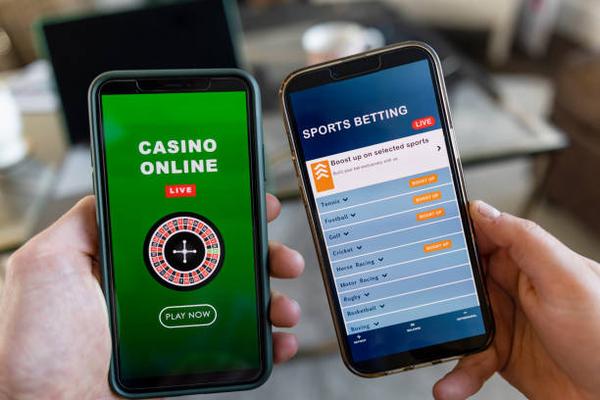










The rise of online casinos in the UAE has sparked considerable interest, but often the discussion overlooks a crucial aspect: Arabic language support. For many users in the region, access to platforms that fully accommodate their native language is essential for an engaging and seamless experience. While English remains widely understood, offering comprehensive Arabic language options goes beyond mere translation; it reflects respect for cultural nuances and enhances user trust.
Arabic language support in online casinos involves more than converting text from one script to another. It requires careful localization that considers regional dialects, cultural references, and appropriate terminology related to gambling activities. This approach ensures that players feel comfortable navigating websites, understanding game rules, payment methods, and customer service interactions without confusion or misinterpretation. Without such tailored support, users may face challenges that deter them from fully enjoying the offerings or even lead to misunderstandings about terms and conditions.
In recent years, several international online casino uae operators have recognized this need and invested heavily in creating Arabic-friendly interfaces. These platforms not only provide translations but also integrate right-to-left text orientation common in Arabic writing systems. They offer customer service representatives fluent in Arabic who can address inquiries promptly while respecting local customs regarding communication style. Additionally, these sites often include localized payment options popular within the UAE market, further simplifying transactions for users.
Despite these advancements, regulatory complexities surrounding gambling in the UAE remain a significant barrier both for operators and players alike. The country’s strict laws prohibit most forms of gambling under Sharia law principles; however, many residents still seek entertainment through offshore online casinos accessible via VPNs or other means. In this context, having reliable Arabic language support becomes even more critical as it helps bridge gaps caused by legal ambiguity while providing clear information about responsible gaming practices.
Moreover, promoting awareness about safe gambling habits is another dimension where Arabic content plays a vital role. Educational materials on addiction prevention and self-exclusion programs must be available in languages understood by target audiences to maximize their effectiveness. Online casino providers with robust Arabic support contribute positively by facilitating informed choices rather than merely focusing on commercial gains.
Ultimately, enhancing Arabic language integration within online casino platforms serving the UAE market represents more than just technical improvement-it signifies a commitment to inclusivity and cultural sensitivity amid complex social landscapes. Operators prioritizing this aspect are better positioned to build loyalty among Middle Eastern players seeking trustworthy entertainment options aligned with their linguistic preferences and values.