









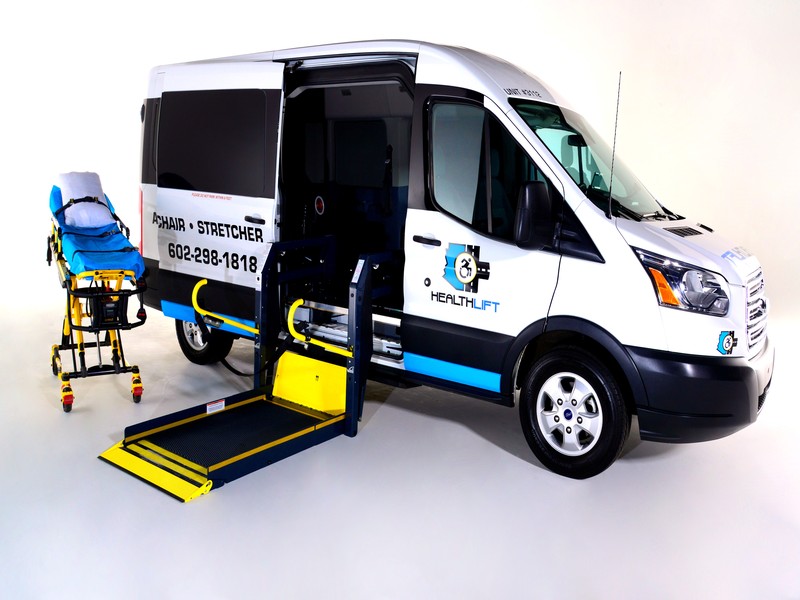
Preparing medical transport for seniors over long distances requires careful planning and attention to several important factors to ensure safety, comfort, and timely care. The first consideration is understanding the specific medical needs of the senior passenger. It is essential to consult with healthcare providers to assess the individual’s health status, mobility limitations, and any special requirements such as oxygen therapy or medication schedules. This information helps determine the appropriate type of transport vehicle and level of medical support needed during the journey.
Choosing a reliable medical transport service that specializes in senior care is crucial. These services typically provide trained personnel who can assist with mobility issues and monitor vital signs throughout the trip. Confirming that staff members are certified in basic life support or advanced cardiac life support adds an extra layer of security for emergencies. Additionally, verify that the vehicle is equipped with necessary medical equipment like stretchers, wheelchairs, or defibrillators depending on the patient’s condition.
Planning the route carefully plays a significant role in minimizing stress and fatigue for elderly passengers. Long-distance travel should include scheduled breaks allowing time for rest, hydration, meals, and restroom use. If possible, choose routes with easy access to hospitals or urgent care centers get more info along the way in case unexpected health concerns arise during transit.
Communication between family members, healthcare providers, and transportation staff must be clear and ongoing throughout preparation and travel phases. Sharing detailed information about medications-dosage times especially-is critical so no doses are missed en route. Informing drivers about allergies or chronic conditions also ensures they remain vigilant about potential complications during transit.
Packing essentials tailored to seniors’ comfort contributes greatly to a positive experience during long journeys. Items such as blankets, pillows for neck support, comfortable clothing layers suitable for changing temperatures inside vehicles should be included alongside personal identification documents and copies of medical records readily accessible if needed by emergency responders.
Insurance coverage verification cannot be overlooked when arranging long-distance senior medical transport services since costs may vary widely based on distance traveled and level of care provided onboard. Understanding what expenses will be covered by insurance policies prevents unexpected financial burdens later on.
Finally, emotional well-being deserves attention as well; traveling long distances can cause anxiety among older adults unfamiliar with new environments or routines involved in specialized transportation settings. Offering reassurance through familiar companions or caregivers accompanying them fosters calmness throughout their journey toward better health outcomes at their destination point.